This course examines film noir as a cinematic movement, a distinctive visual and narrative tradition, and an evolving mode of storytelling. Beginning with the emergence of classical film noir in the 1940s and 1950s, students will explore its historical, cultural, and aesthetic foundations and trace its transformation through neo-noir, postmodern noir, and contemporary science-fiction noir.
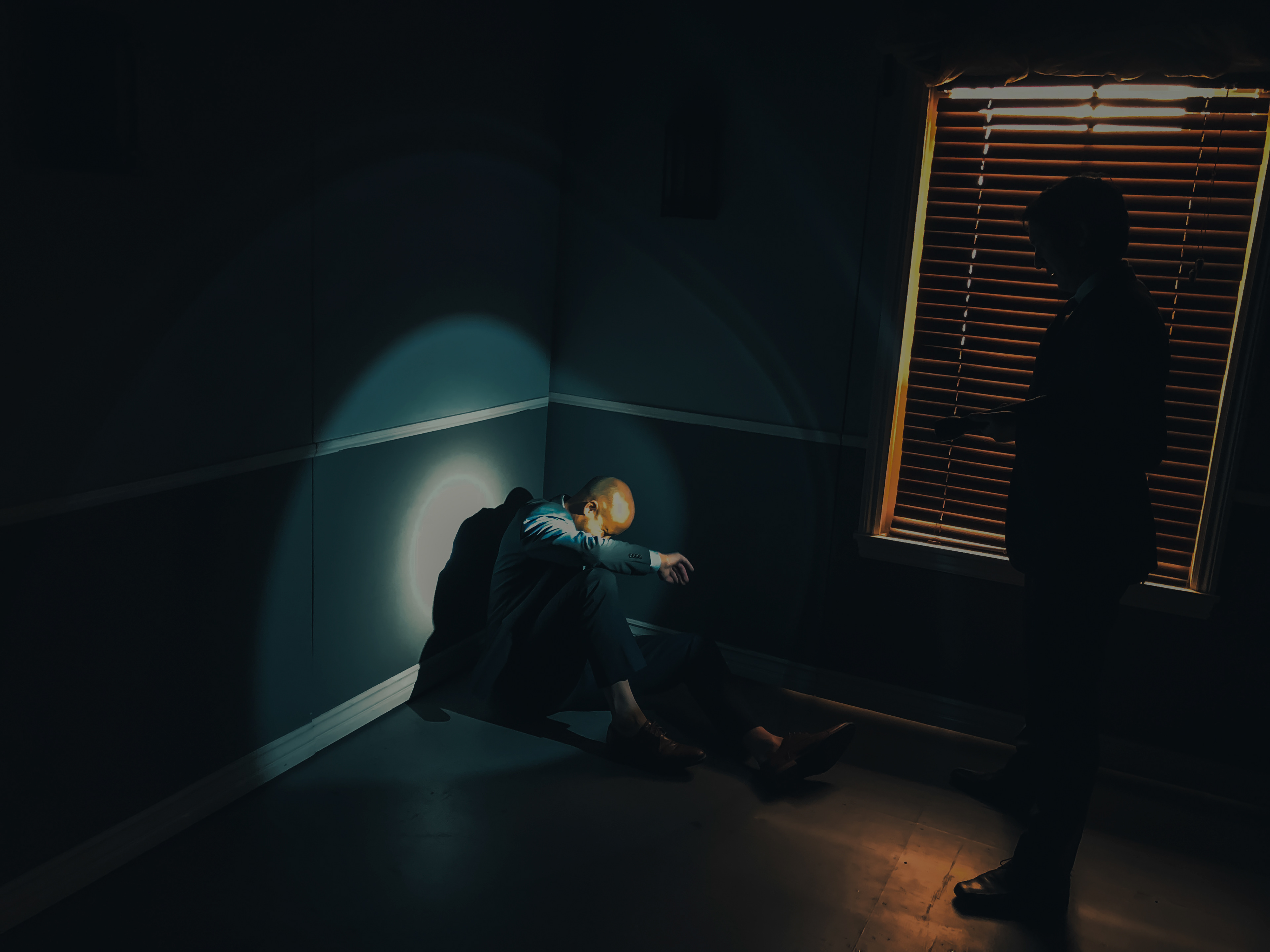
Through screenings, close textual analysis, critical discussion, and creative practice, students will investigate the defining elements of noir, including chiaroscuro lighting, unconventional composition, urban landscapes, voice-over narration, nonlinear storytelling, moral ambiguity, unreliable narrators, alienation, and the antihero. The course will consider how these formal and thematic conventions reflect changing social anxieties, cultural values, technologies, and conceptions of identity, power, and justice.
Students will develop a working knowledge of cinematic grammar, visual storytelling, narrative structure, and genre theory while examining the ways filmmakers preserve, challenge, and reinvent noir conventions across different historical periods and cinematic contexts. Particular attention will be given to the relationship between classical noir and its contemporary iterations, including science-fiction noir, where questions of surveillance, artificial intelligence, memory, identity, and the nature of humanity intersect with noir's enduring atmosphere of uncertainty and moral complexity.
Combining film history, critical interpretation, and hands-on creative experimentation, the course culminates in original student projects that reinterpret noir for contemporary audiences. Students will screen, discuss, analyze, write about, and create films or related cinematic works that demonstrate an understanding of noir's evolution while exploring new possibilities for its future.
By the end of the course, students will be able to:
Explain the historical evolution of film noir, from classical noir through neo-noir and contemporary science-fiction noir.
Analyze cinematic grammar and aesthetics, including lighting, cinematography, editing, sound, mise-en-scène, and visual composition.
Interpret noir narrative structures, including flashbacks, nonlinear chronology, voice-over, unreliable narration, ambiguity, and fragmented storytelling.
Evaluate thematic and cultural concerns such as alienation, corruption, gender, power, identity, surveillance, technology, and moral uncertainty.
Compare films across historical periods and genres, identifying how filmmakers preserve, adapt, and subvert noir conventions.
Communicate critical interpretations through analytical writing, class discussion, presentations, and collaborative inquiry.
Apply noir techniques in creative practice through original screenwriting, filmmaking, visual storytelling, or other approved media projects.
• 8. Develop an original contemporary interpretation of noir that demonstrates both an understanding of the tradition and an imaginative response to its continuing evolution.